Frequently Asked Questions
What is a Surge Protective Device (SPD)?
An SPD is a device designed to limit surge energy to electrical equipment by diverting or limiting surge current. It is wired in parallel to the protected equipment and clamps voltage during surges.
What causes power surges?
Common causes include lightning strikes, switching of large electrical loads (motors, transformers, HVAC), utility power switching, equipment faults or wiring issues, and electrostatic discharge (ESD).
What are the main components inside an SPD?
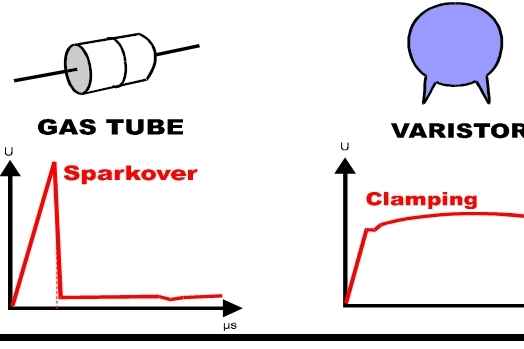
Key components include Metal Oxide Varistors (MOVs), thermal disconnectors, TPAE technology (arc extinguishing), local status indicators, and remote signaling contacts.
What are the types of SPDs under UL 1449?
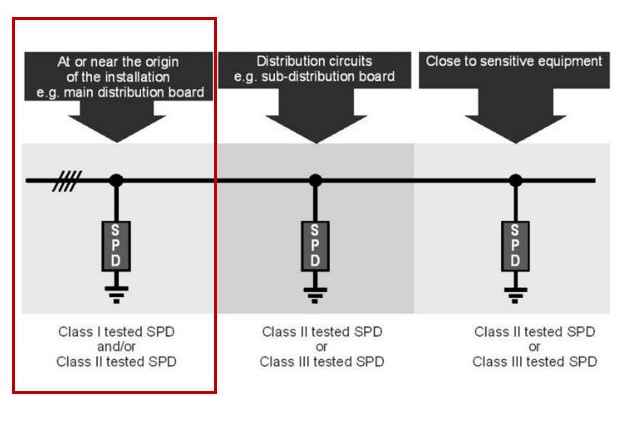
Type 1 is installed at service entrance line side, Type 2 on load side of service equipment, and Type 3 at point of utilization (e.g., power strips) with at least 10 meters from the panel.
Can an SPD protect against direct lightning strikes?
Yes, but only if correctly rated (Type 1) and properly installed with grounding. Direct lightning is the most powerful surge to protect against.
Why is surge protection important?
Without protection, voltage spikes can cause catastrophic equipment failure or electrical fires. SPDs minimize downtime and financial losses by acting as a critical line of defense.